
This process is akin to removing a crutch from someone who has been relying on it for years; the body, now weakened, struggles to stand on its own. Tapering alcohol use under medical supervision reduces DT risk, though this approach is unsafe without professional guidance. For those in early withdrawal, oral benzodiazepines (e.g., chlordiazepoxide 50–100 mg every 6 hours) can mitigate progression, but dosage must be tailored to symptoms.
Professional Medical Disclaimer
These are a medical emergency and require immediate attention, often necessitating benzodiazepines like diazepam or lorazepam to control the seizure activity and prevent further neurological damage. Seizures https://ecosoberhouse.com/ are more likely in individuals with prior withdrawal episodes or those who have been drinking heavily for years. Monitoring for this escalation involves regular neurological checks and, in some cases, continuous observation in a clinical setting to ensure rapid response. Medical comorbidities, particularly liver disease, cardiovascular conditions, and malnutrition, exacerbate the risks of alcohol withdrawal. For instance, cirrhosis impairs the liver’s ability to metabolize toxins, prolonging the duration and severity of withdrawal symptoms.
Barbiturates, benzodiazepines and hypnotics
Research indicates that alcohol withdrawal seizures occur in 2 to 5 percent of people who stop drinking after developing dependence. For hypertension that persists despite adequate benzodiazepine dosing, specific antihypertensive can drinking alcohol cause high blood pressure medications are used. Alpha-agonists, such as clonidine, are frequently utilized because they specifically counteract the sympathetic nervous system overdrive by reducing the release of noradrenaline. Older individuals might experience different recovery patterns due to natural physiological changes that occur with aging. Genetic predispositions can also play a part in how an individual’s body responds to alcohol cessation and regulates blood pressure.
Timeline for Blood Pressure Improvement After Quitting
Staff monitor heart rate, blood pressure, and mental clarity throughout the day. Alcohol withdrawal occurs when someone who has been drinking heavily or regularly reduces or stops alcohol use. While some symptoms may feel mild at first, alcohol withdrawal can quickly become serious and even life-threatening. Knowing what symptoms to watch for is critical for safety and early intervention. From a practical standpoint, knowing when marijuana addiction to act is as important as recognizing the signs. If someone exhibits confusion, such as not knowing where they are or responding incoherently, assume the worst.
- Additional factors include older age, concurrent medical conditions (e.g., liver disease), and abrupt cessation after prolonged use.
- At First City Recovery Center in Kokomo, Indiana, patients have access to a variety of support groups and 12-step meetings as part of their treatment plan.
- Peak symptoms usually occur around day 3, then begin to subside gradually.
- Alcohol withdrawal can range from very mild symptoms to a severe form, known as delirium tremens.
- If someone experiences these symptoms, they should seek medical attention immediately.
Alcohol withdrawal is a complex and potentially life-threatening condition that occurs when individuals abruptly reduce or stop alcohol consumption after prolonged and heavy use. The severity of symptoms can range from mild anxiety and tremors to severe complications such as seizures and delirium tremens (DTs). Managing alcohol withdrawal effectively requires a comprehensive approach, including medical supervision, medication-assisted treatment, and supportive care. Additionally, a supportive environment, proper nutrition, and hydration play crucial roles in aiding recovery. Pre-existing health conditions can turn alcohol withdrawal from a challenging process into a life-threatening one.
- Dopamine is a feel-good chemical in the brain linked to pleasure and reward, as well as the body informing the brain that something the person is doing is healthy.
- Patient safety protocols in detox facilities include immediate access to emergency medications and equipment.
- Dangerous symptoms typically appear 48–72 hours after the last drink, though they can start as early as 6 hours.
- Patients who receive individualized care and case management, with treatment programs tailored to each client’s unique situation and diagnosis.
- These may include sweating, shaking or trembling (especially in the hands), headaches, nausea, vomiting, and an elevated heart rate.
Mild to moderate alcohol withdrawal treatment
Programs like inpatient detox or medication-assisted treatment (MAT) offer structured support to navigate the complexities of withdrawal safely. By addressing individual health factors proactively, the risks of severe complications can be significantly reduced. Alcohol withdrawal can escalate from mild discomfort to a life-threatening crisis within hours.

Uncontrolled blood pressure spikes during alcohol withdrawal pose serious risks. A rapid and severe increase in blood pressure can lead to a hypertensive crisis, which places extreme strain on the cardiovascular system. This strain increases the risk of an acute cardiac event, such as a heart attack, or the development of dangerous cardiac arrhythmias.

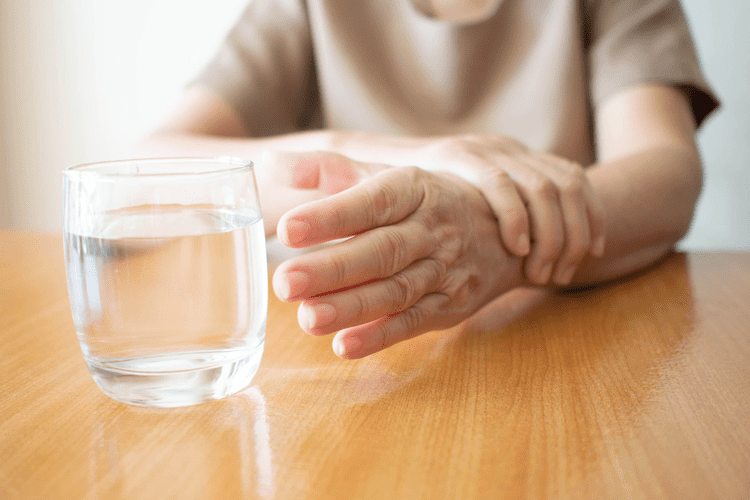
Across the month, your body is likely to have benefited greatly from giving up alcohol. Better hydration and improved sleep will have increased your productivity and daily wellbeing. Your liver, stomach and skin will also have benefited from not dealing with alcohol. These may include sweating, shaking or trembling (especially in the hands), headaches, nausea, vomiting, and an elevated heart rate. Trouble sleeping is also very common, with individuals experiencing insomnia or frequent waking.