
The hidden influences of psychology in casino gambling
The Allure of the Casino Environment
Casinos are designed to captivate and engage players from the moment they enter. The use of vivid colors, enticing sounds, and strategically placed lighting creates an atmosphere that evokes excitement and anticipation. This carefully curated environment is not just for aesthetics; it plays a crucial role in the psychology of gambling. By stimulating the senses, casinos keep players immersed, making them more likely to continue gambling even when they might otherwise stop. For those seeking exciting alternatives, finding a casino not on gamstop can enhance this experience further.
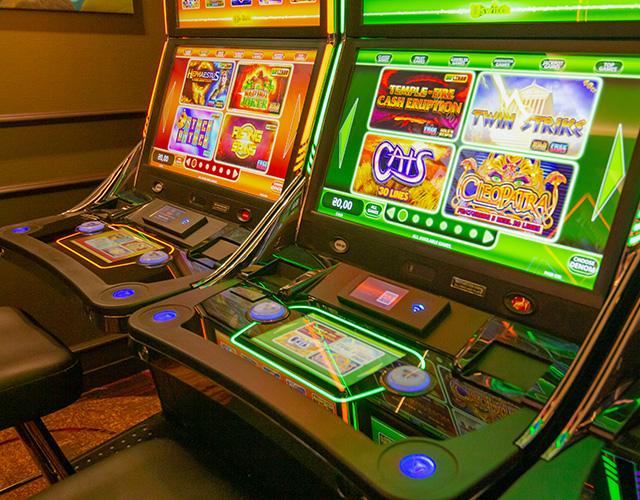
Moreover, the layout of a casino is meticulously planned to encourage exploration and prolonged play. Players may find themselves wandering through a maze of slot machines and gaming tables, often losing track of time and money. This experience can lead to what psychologists call the “flow state,” where individuals become so engrossed in an activity that they lose awareness of their surroundings, further influencing their gambling behavior.
The Role of Cognitive Biases
Cognitive biases significantly impact how gamblers perceive their chances of winning. For example, the illusion of control makes individuals believe they can influence outcomes in games of chance. Players may feel they can improve their odds in dice games or slot machines through specific rituals or strategies, even though these games are fundamentally random. This false sense of control can lead to increased risk-taking and prolonged gambling sessions.
Another cognitive bias prevalent in gambling is the gambler’s fallacy, where individuals mistakenly believe that past events affect future outcomes. For instance, a player might think that after several losses, a win is “due.” These biases can lead to irrational decision-making and ultimately contribute to problem gambling behaviors, as players chase losses in hopes of reversing their fortunes.
The Impact of Reward Systems
The brain’s response to rewards plays a pivotal role in the gambling experience. When players win, their brains release dopamine, a neurotransmitter associated with pleasure and reinforcement. This biochemical reaction can create a powerful urge to continue gambling in pursuit of further rewards, leading to a cycle of reinforcement that can be difficult to break.
Casinos also employ various reward systems, such as loyalty programs and bonuses, to enhance this effect. By providing players with incentives, casinos encourage repeat visits and prolonged gambling sessions. This sophisticated understanding of reward psychology not only boosts a casino’s bottom line but also raises concerns about the potential for addiction among vulnerable individuals.
The Social Dynamics of Gambling
Gambling is often a social activity, and the influence of peers can significantly affect an individual’s gambling behavior. Social interactions in a casino can create a sense of belonging and excitement, encouraging players to gamble more. Group dynamics can lead to a phenomenon known as “social proof,” where individuals are influenced by the actions of others around them, reinforcing their gambling habits.
Additionally, the presence of other players can amplify emotions, leading to heightened excitement or anxiety. This emotional contagion can affect decision-making, causing individuals to take more risks than they would when gambling alone. Understanding these social dynamics helps to illuminate why many people are drawn to the casino experience, despite the inherent risks involved.

Understanding Responsible Gambling
As the hidden influences of psychology in casino gambling become clearer, the importance of responsible gambling practices has never been more critical. Organizations and casinos are increasingly recognizing the need to promote awareness about the psychological aspects of gambling. This includes providing resources to help individuals understand their motivations and recognize the signs of problematic gambling behavior.
By fostering a culture of responsible gambling, both players and casinos can work towards a safer gaming environment. Educational initiatives and support systems are essential in helping players make informed decisions, ensuring that the thrill of gambling remains a fun and enjoyable pastime rather than a harmful addiction.