
The evolution of gambling a historical journey through time
Ancient Beginnings of Gambling
The history of gambling stretches back thousands of years, with its roots firmly planted in ancient civilizations. Archaeological findings suggest that early forms of betting activities appeared in ancient China, around 2300 BC, where tiles were found that indicate a rudimentary gambling game. Similarly, in ancient Mesopotamia, dice made from bones have been uncovered, pointing to the belief that chance games have always played a role in human society. To experience modern variations of such games, you might explore the exciting chicken road game available today.

As societies evolved, so did their methods of gambling. The Egyptians, Greeks, and Romans integrated games of chance into their cultures. Greek literature from the 5th century BC makes references to betting on athletic contests, while Roman emperors used gambling as a means to entertain the masses. Such activities laid the groundwork for the diverse gambling practices that would emerge throughout history.
The Middle Ages and Gambling Regulation
During the Middle Ages, gambling took on a more structured form, particularly in Europe. This period saw the rise of card games, which became extremely popular among the nobility. Games such as Tarot and early versions of poker emerged, reflecting social hierarchies and complex strategies. However, as gambling grew in popularity, it also attracted scrutiny, leading to various attempts at regulation.
Church authorities viewed gambling with suspicion, associating it with moral decay and sin. Many regions enacted laws to limit gambling activities. Despite these restrictions, underground gambling establishments flourished, demonstrating the persistent human inclination towards risk-taking and chance, underscoring how deeply embedded gambling had become in societal culture.
The Birth of Modern Casinos
The 17th century marked a significant turning point with the establishment of the first official casino in Venice, known as the Ridotto. This venue allowed nobles and commoners alike to engage in games of chance under regulated conditions, setting a precedent for future gambling establishments. The concept of the casino quickly spread across Europe, with venues appearing in cities like Monte Carlo and Paris.
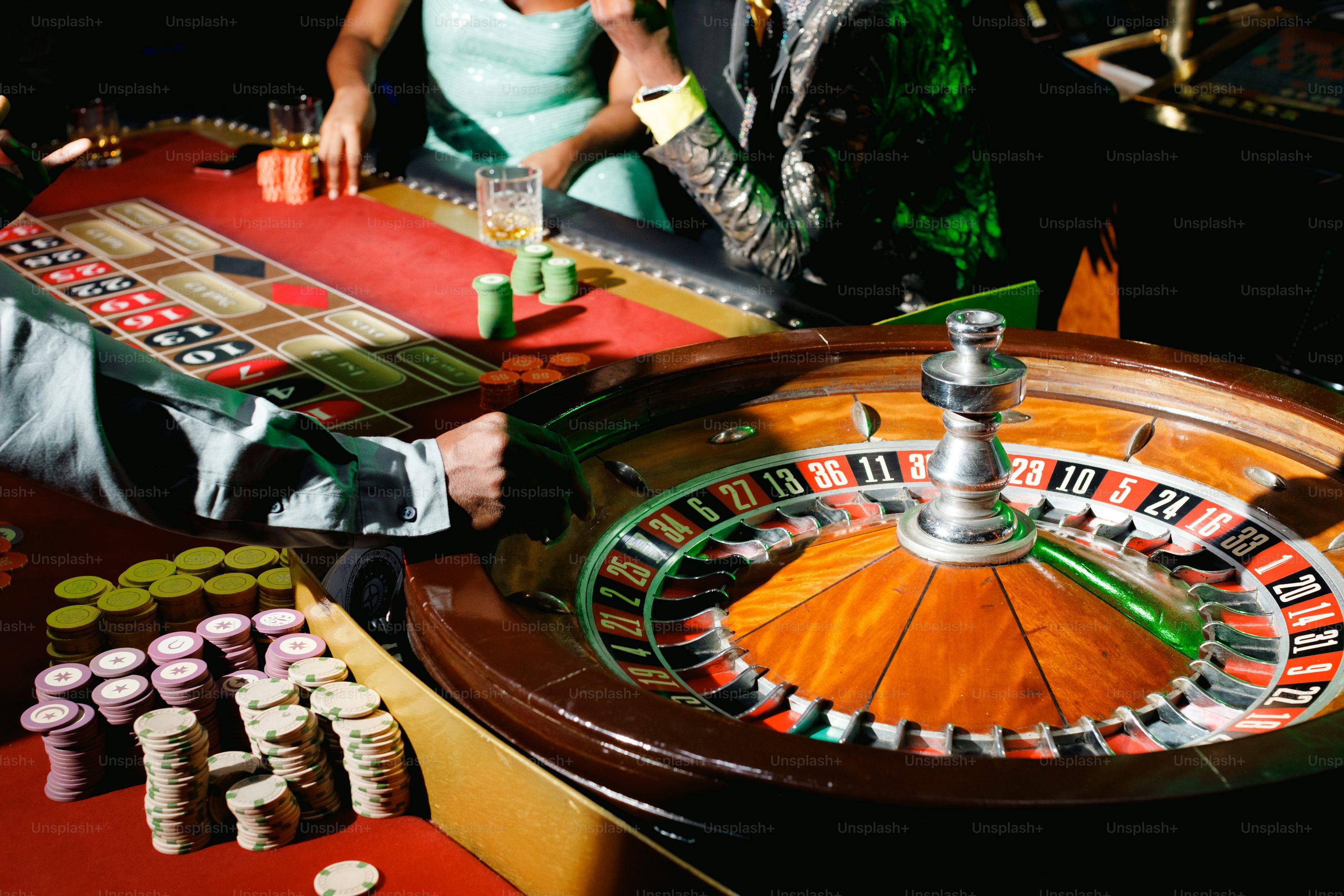
As the 18th and 19th centuries rolled in, gambling became more accessible to the public. The rise of lotteries, betting shops, and gaming houses transformed gambling into a mainstream activity. This period also saw the introduction of popular games like roulette and blackjack, which are still enjoyed worldwide today. Casinos became symbols of luxury and entertainment, reshaping the gambling landscape.
The Globalization of Gambling Practices
The 20th century witnessed a remarkable globalization of gambling. Different cultures brought unique traditions and customs to the global stage. For instance, the unique chicken road game in India reflects local cultural nuances, incorporating elements of risk and strategy that resonate with players. Such games illustrate how gambling practices adapt to regional preferences while maintaining the core appeal of chance.
Simultaneously, international legislation began to address gambling more comprehensively. Countries started to regulate online gambling, leading to a surge in digital platforms that cater to a global audience. This evolution has made gambling more accessible than ever, allowing players from various backgrounds to engage in a shared experience, regardless of geographical boundaries.
Exploring the Future of Gambling
As we move further into the 21st century, the gambling industry continues to evolve at an unprecedented pace. The rise of online casinos and mobile gaming has transformed how individuals participate in gambling activities. Players now enjoy the convenience of placing bets from the comfort of their homes, and innovative games such as the chicken road game provide fresh experiences tailored to specific markets.
Furthermore, the focus on responsible gaming is becoming increasingly important. Platforms are now implementing measures to ensure player safety and promote healthy gambling habits. As technology advances, the future of gambling will likely incorporate virtual reality and blockchain, enhancing the overall experience while maintaining a commitment to player welfare.